


How Do I Teach My Child to Be Grateful? 7 Simple Ways to Build Gratitude at Home
How do you teach your child to be grateful and stop taking things for granted? Discover seven simple, practical ways to nurture gratitude at home, from modelling appreciation and involving children in everyday tasks to encouraging kindness, generosity, and empathy.

How Can a Certified Teacher Make a Difference in Tutoring?
A certified teacher can bring so much more to tutoring than subject knowledge. They understand how students learn, can identify learning gaps, adapt instruction to individual needs and help build confidence and independence. This World Teachers’ Day, we’re celebrating the teachers who make learning meaningful and help every student see what they’re capable of.

How Do You Explain Residential Schools to Your Child?
Talking to your child about residential schools can feel difficult, especially if you didn't learn much about this history when you were growing up. You don't need to have all the answers. This guide offers parents practical, age-appropriate ways to talk about residential schools, listen to Indigenous voices, explain the meaning behind Orange Shirt Day and help children understand why Truth and Reconciliation matters today.

Do You Know How Your Teen Learns Best? Why Learning How You Learn Matters
As teens move through high school, they are expected to become more independent learners, but are we actually teaching them how to learn? Understanding how different strategies help them learn, study, prepare for tests and get unstuck can make a big difference. In this blog, Julie Diamond explores practical ways parents can help their teens become more confident, capable and independent learners.

How Can Parents Help Teens Navigate Ontario’s New High School Expectations?
Ontario’s new high school expectations give parents an opportunity to help their teens build the skills they’ll need well beyond graduation. From managing attendance and preparing for exams to communicating concerns and advocating for themselves, this post explores how parents can support their teens without taking over.

What Do I Do If My Child Is Having a Rough Start to the School Year?
Is your child having a rough start to the school year? Whether they are struggling with friendships, a new teacher, academic challenges or simply adjusting to change, it can be difficult to know when to step in and when to let them work through it. Learn how asking the right questions, focusing on what they can control and supporting problem-solving can help your child build confidence and resilience.

What does Meta’s Social Media Settlement Means for Parents? What I’ve Learned About Screen Time as an Educator and Step-Parent
Meta’s recent social media settlement has brought renewed attention to the impact of social media and technology on children and teens. But as an educator, tutor, and step-parent, I believe the conversation needs to go beyond simply counting screen-time minutes. In this article, I share what I’ve learned about children, attention, boredom, self-regulation, and digital literacy and why we’ve chosen to set clearer screen-time boundaries in our own home.

What Are the Signs of Dyslexia?
Wondering if your child may have dyslexia? Learn the early signs to watch for, from preschool through high school, and discover how early identification and the right support can help your child build confidence and become a successful reader.

How Can I Talk to My Child About the Wildfires Across Canada?
When children hear about difficult events like wildfires, they need support understanding what they see and hear. Learn how parents can encourage questions, build connections, and strengthen reading comprehension skills through thoughtful conversations.
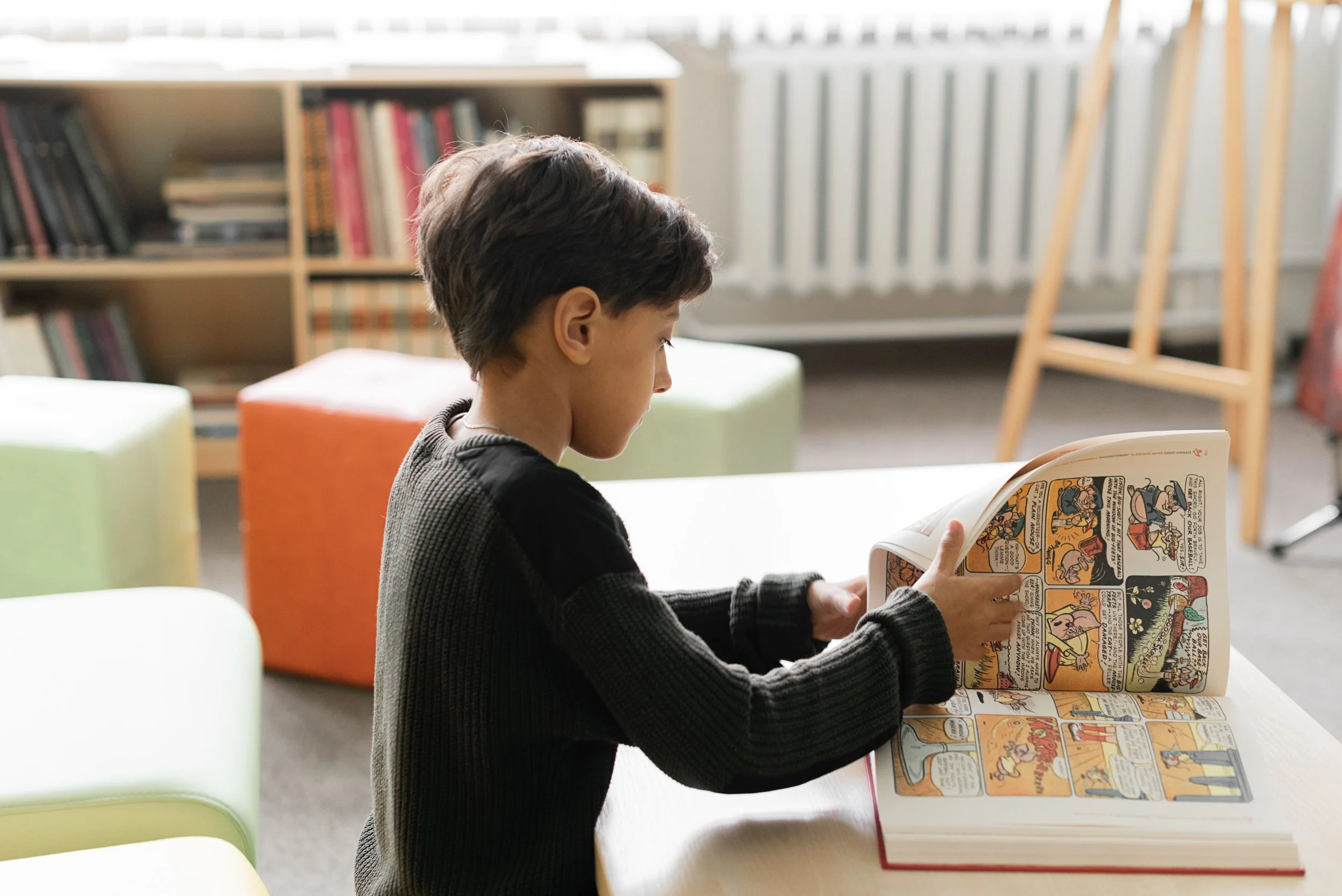
How Can I Improve My Child's Reading Comprehension?
Reading comprehension is about more than reading words. Discover 10 teacher-approved strategies to help your child think deeply, make connections, and become a confident, engaged reader.

How Can I Support My Child's Mental Health Over the Summer While Still Helping Them Learn?
As parents, we all want our children to enjoy a fun, relaxing summer but it's also a wonderful opportunity to nurture their mental health. Discover practical, teacher-approved ways to build your child's confidence, resilience, and love of learning through play, meaningful conversations, independence, and everyday experiences that don't feel like school.

Is Online Learning Really Helping My Child Learn or Just Keeping Them Busy?
Online learning is everywhere, but not all screen time leads to meaningful learning. In this blog, Julie Diamond explores the difference between passive and active learning, why watching videos isn't enough, and how live online tutoring keeps students engaged through real-time feedback, problem-solving, and personalized instruction that builds lasting understanding and confidence.

Why Does My Child Lack Confidence, and What Can I Do About It?
If your child lacks confidence, summer is the perfect time to help them grow. Confidence isn't built by avoiding challenges, it's built by overcoming them. In this article, discover practical ways to encourage your child to step outside their comfort zone, learn new skills, and celebrate their progress. From creating a fun badge or sticker challenge (inspired by Girl Guides) to learning life skills, hobbies, and outdoor activities, these simple strategies can help your child develop the confidence to tackle new challenges both in school and beyond.

How Can I Help My Struggling Reader Over the Summer?
Wondering how to help your struggling reader over the summer? Discover 10 practical strategies that build reading skills, confidence, and a love of learning without turning summer into school.
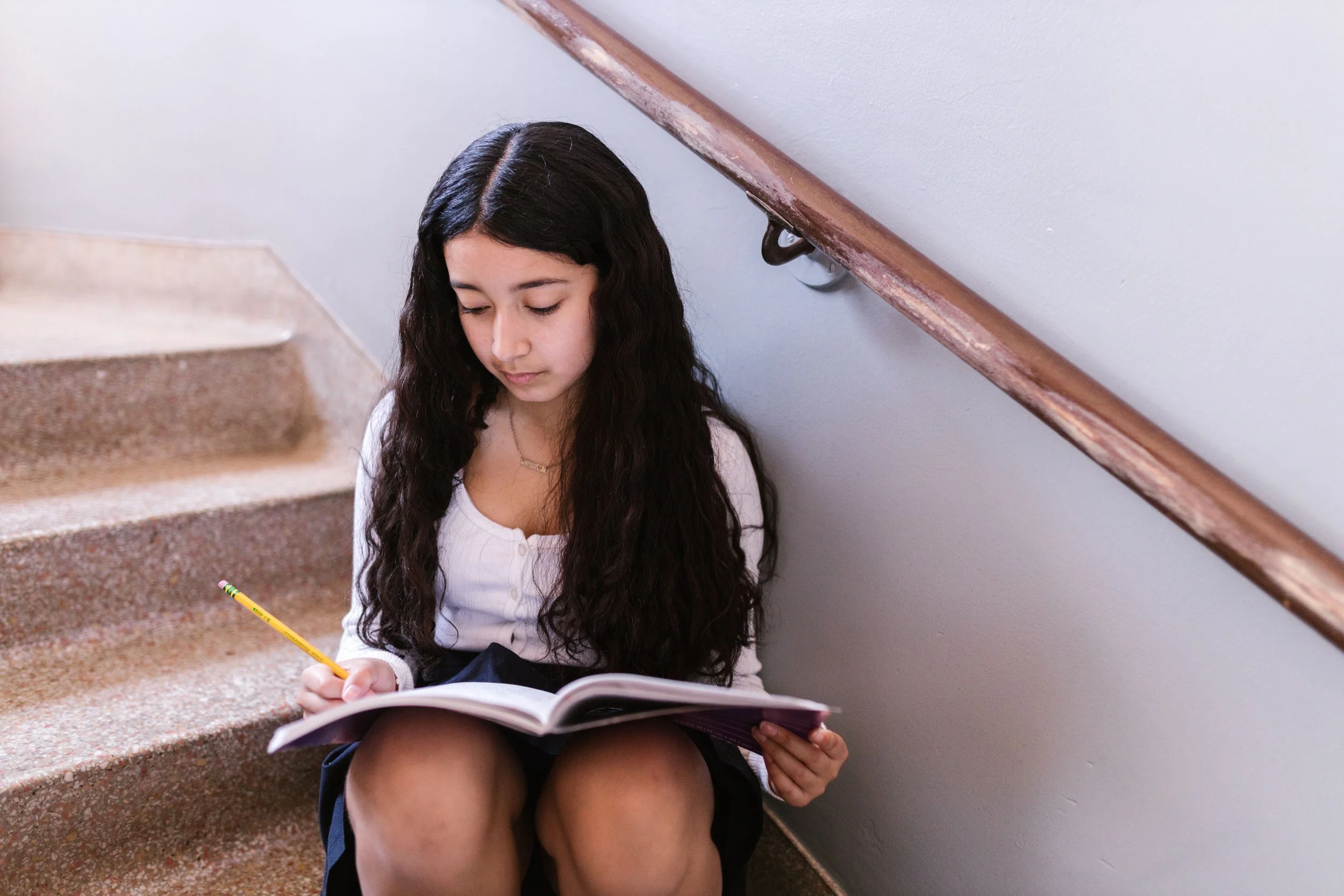
Why Am I Studying So Much but Still Not Doing Well on Tests?
Many students spend hours rereading notes before exams, only to forget what they studied when it matters most. If your teen is wondering why studying isn't translating into better results, the answer may be their study methods. Learn how creating effective formula sheets and one-page summaries can help students actively engage with material, improve retention, and build confidence for exam success.

What Are the Best Study Strategies for High School Exams?
Exam season can feel overwhelming for high school students and parents alike. This guide breaks down the most effective, research-informed study strategies including active recall, structured study plans, and better note-taking methods. It also explores how students can balance pencil-and-paper learning with technology and online tutoring to improve understanding, retention, and confidence.
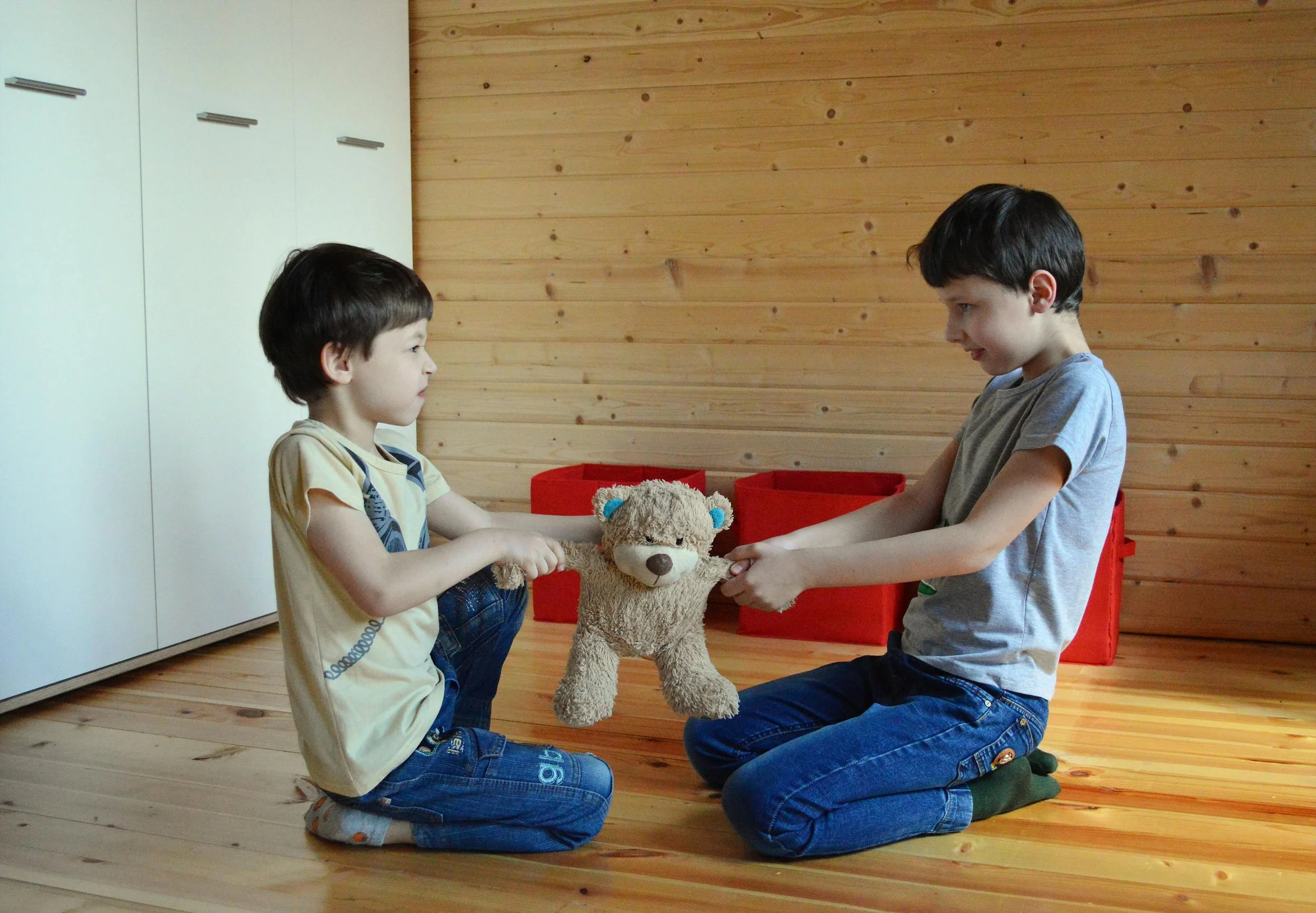
How Do I Support My Child Through Social Drama Without Overstepping?
A practical guide for parents on how to support their child through friendship challenges without stepping in and overstepping. This blog breaks down how to stay connected, teach perspective-taking, and build emotional and social skills so children can navigate conflict in healthy, independent ways from the perspective of a teacher and step-parent.

Should My Child Get Tutoring Over the Summer?
Wondering if your child should get tutoring over the summer? In this blog, teacher and Diamond Teachers Group founder Julie Diamond shares how summer tutoring can help children close learning gaps, build confidence, strengthen executive functioning skills, and prepare for the upcoming school year all while still enjoying summer fun. Learn why even one or two hours a week of personalized online tutoring can make a meaningful difference and how online sessions allow students to learn from anywhere with a WiFi connection, making tutoring flexible around travel and family plans.

How Can Families Support Their Child’s Mental Health at Home?
Practical, real-life strategies parents can use at home to support their child’s mental health, including limiting screen time, encouraging boredom and creativity, building independence, and strengthening emotional resilience through everyday interactions.

How Can I Help My Child’s IEP Work Better for Them Next School Year?
Helping your child’s IEP work better doesn’t require you to be an expert, it starts with understanding the plan, asking the right questions, and staying involved. With the right approach, your child’s IEP can become a powerful tool to support their growth, confidence, and success in the upcoming school year.